Founded in 1997, Leadership Anchorage (LA) is the premier leadership development program for established and emerging Alaskans seeking to expand their impact in the community.
LA is designed to develop the skills, knowledge, perspective, and networks needed to be an effective and compassionate changemaker for our city, and our state. Each year, a diverse cohort of leaders is selected to participate in this 9-month program consisting of monthly Saturday sessions, enhanced by group projects, individual mentorships, readings, resources, and guest speakers from the community.
|
|
|
||
Why LA?
Transform Your Leadership
LA participants practice and strengthen essential 21st-century leadership competencies including facilitation, coaching, collaboration, and team-building.
Through assessments and interactive activities, you will develop an understanding of how you show up in the world and tap into your vision, mission, and purpose.
Amplify and Diversify Your Networks
LA is a unique opportunity to become a part of a powerful community of diverse leaders from a wide range of industries, backgrounds, ages, and experiences.
Throughout the program, participants are introduced to new organizations, individuals, venues, and connection points across the city. You will build close, supportive relationships within your cohort and across our powerful network of over 400 LA alumni and mentors.
Activate Ideas Into Action
If you aspire to make a real difference in your community or organization, your LA Community Project provides the perfect opportunity to step boldly into that vision as you tackle real, immediate needs within the Anchorage community.
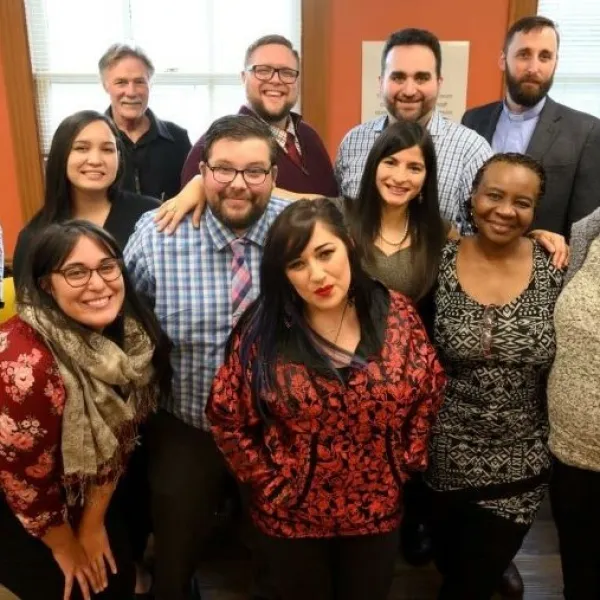
Apply To Leadership Anchorage
Each year, a diverse cohort of ~20 is selected to participate in the program with sessions starting in September. Get details about the program and apply.
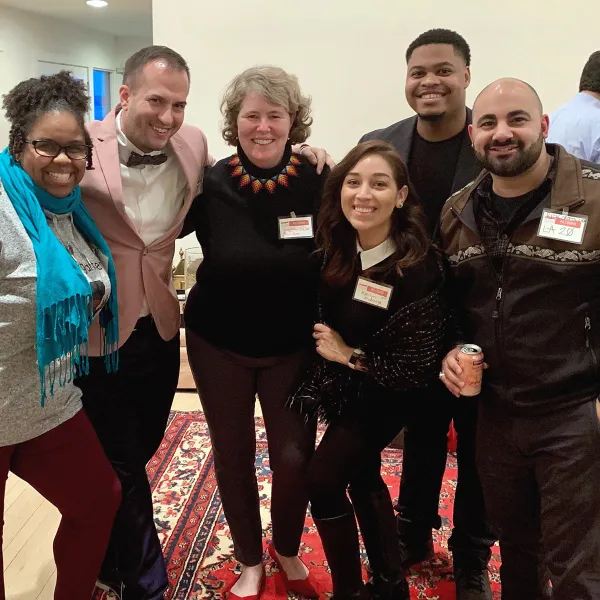
Leadership Anchorage Alumni
LA has over 400 alumni across Anchorage, and Alaska. An Alumni Advisory Board hosts a range of activities and events for networking and continued learning.
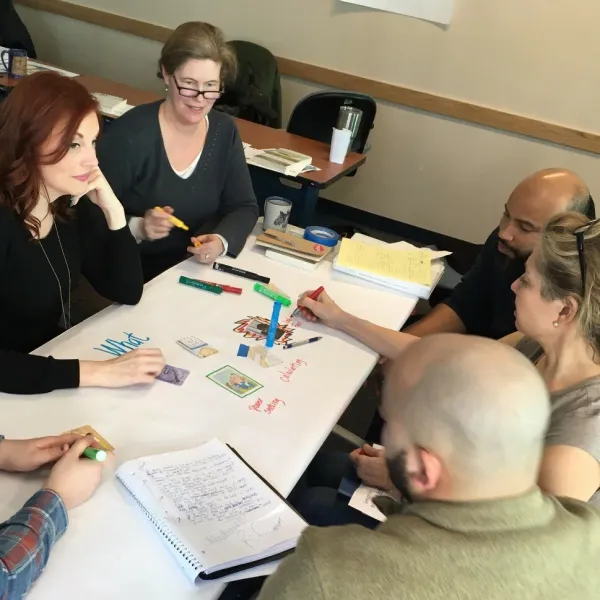
Community Projects
A core element of the LA experience is the team projects that connect participants with partner organizations to address real, immediate community needs.
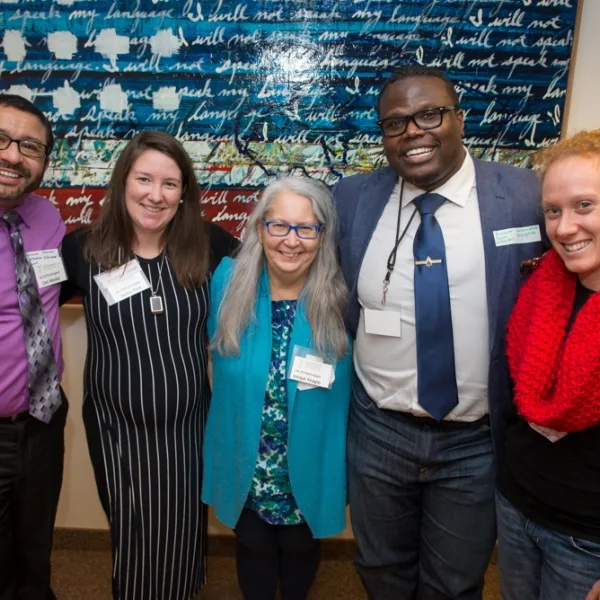
Leadership Anchorage Alumni Award
The Leadership Anchorage Alumni Award recognizes an LA alum who has made significant contributions within their chosen profession and/or volunteer activities, has impacted their community, or the public at large; whose work supports connecting Alaskans and strengthening communities; and who has shown a commitment to ethical, compassionate leadership.
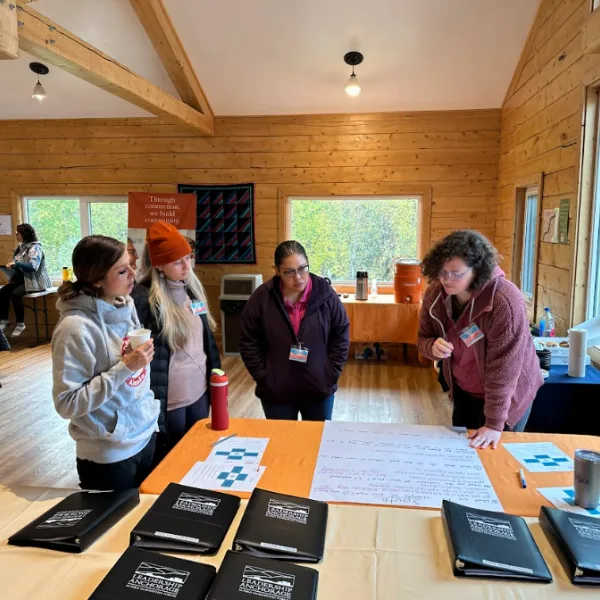
Meet the LA29 Mentors
Mentors are community members who volunteer their time to meet with LA participants and serve as a trusted partner for advice, guidance, and inspiration. Mentors can be anyone in the community and are selected by the participants themselves - with recommendations and support from Leadership Anchorage - and participants take on the initiative to reach out and establish a relationship.

Leadership Anchorage Mentor Award
The Leadership Anchorage Mentor Award recognizes an LA Mentor who has made significant contributions to the growth of their mentee.
Meet the Leadership Anchorage 29 cohort!

Patti Clay
Pediatrician | LaTouche Pediatrics

Chris Fronapfel
Recruiting and Retention Senior Enlisted Leader | Alaska Air National Guard

Joanie Fullwood
Scholarship & Grants Program Manager | Bristol Bay Foundation
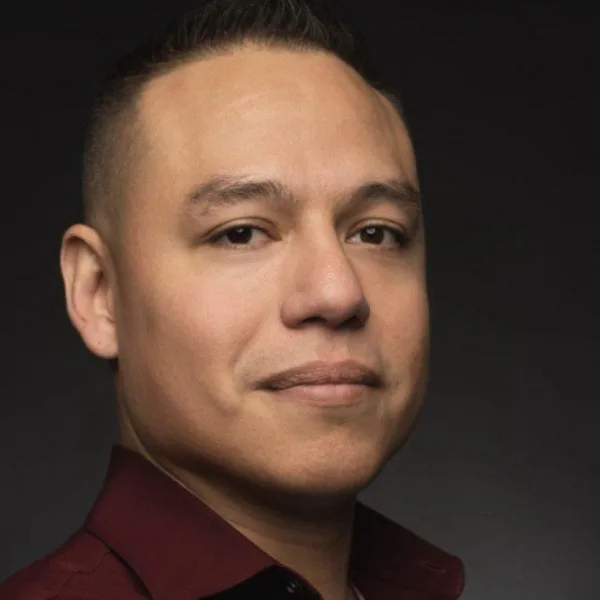
Sam Garcia
CEO | Peer of Heart Consulting
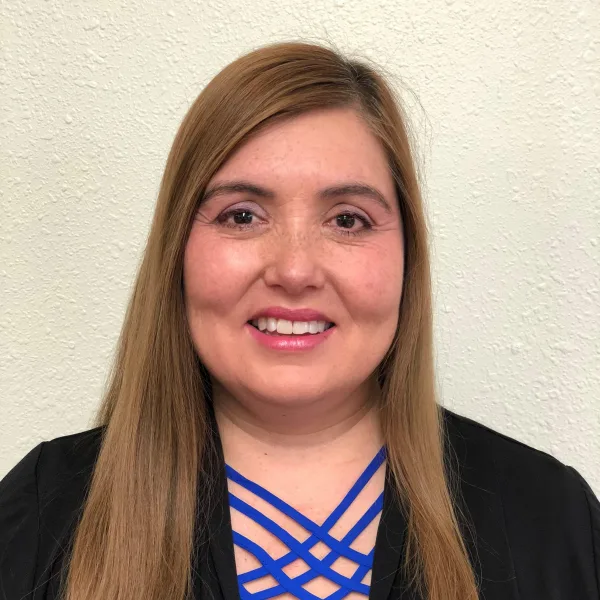
Ingrid Goodyear
Missing or Murdered Indigenous Persons Coordinator for the Great Plains & Alaska | US Department of Justice

Talyn Green
Owner | Honeybee Preschool

Bedimar Jimenez
Public Health Specialist | State of Alaska Department of Health

Samantha Kopishke
Executive Secretary to the Adjutant General | State of Alaska, Department of Military and Veterans Affairs

Chami Krueger
Co-Director of Programming | Choosing Our Roots

Mac Lyons
Systems Integration Director | Anchorage Coalition to End Homelessness

Rami Paulsen
Shareholder Service Manager | Tatitlek Corporation

Brian Pickett
CEO | Trajectory Youth Initiatives
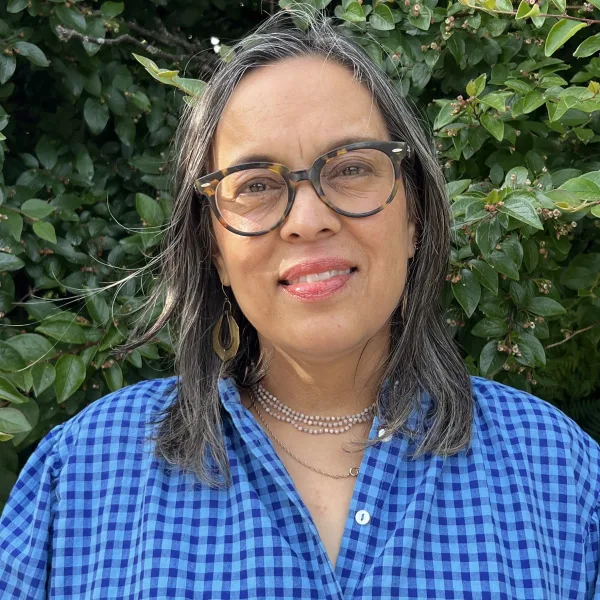
Lana Ramos
Marketing and Community Relations Manager | Locally Grown Restaurants
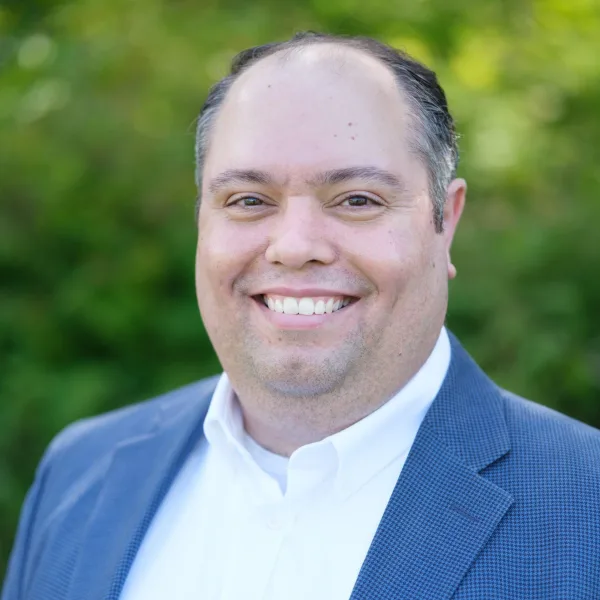
Felix Rivera
Assembly Member | Anchorage Assembly
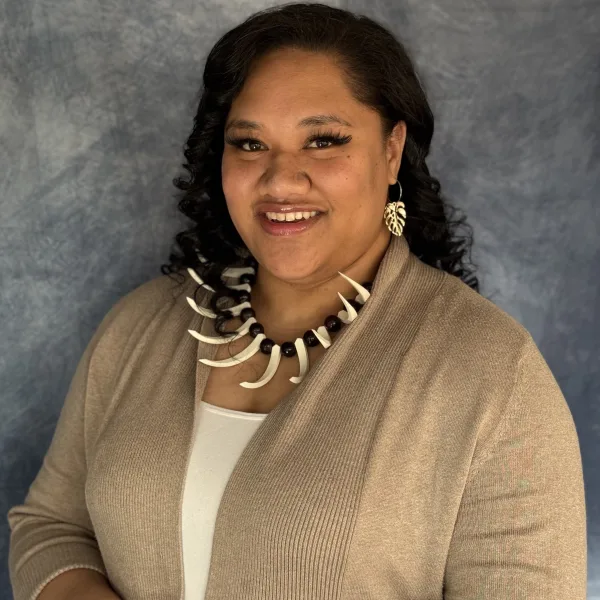
Tammalivis Salanoa
Community Advocate

Sheryl Saturnino Oliva
Program Officer | Rasmuson Foundation
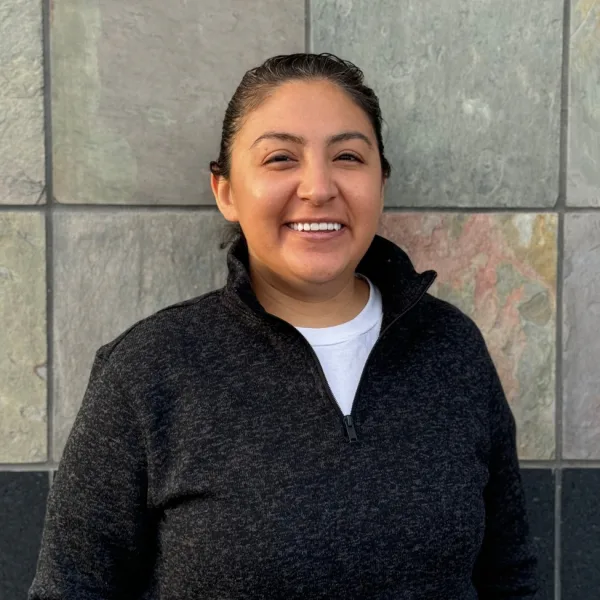
Cindy Tapia Ruiz
Trailside Director | The Alaska Center

Alysyn Thibault
Executive Director | Anchorage Youth Court

Moses Wiseman
Alaska Native Language Program Director | Alaska Institute for Justice

Andrea Witte Dubron
Owner | Susitna Energy Solutions
Alaska Humanities Forum
The Alaska Humanities Forum is a non-profit, non-partisan organization that designs and facilitates experiences to bridge distance and difference – programming that shares and preserves the stories of people and places across our vast state, and explores what it means to be Alaskan.

Gather Round: The AKHF Blog
- "It gives me hope." Checking in with Story Works Program Coordinator Julian Ramirez
June 1, 2026 • Amanda Dale
- Tackling unbridgeable differences in the Forum's Facilitating Through Conflict workshop
May 28, 2026 • Taylor Strelevitz
- "I didn't know what I didn't know:" Looking back at a C3 experience in western Alaska
May 11, 2026 • Amanda Dale