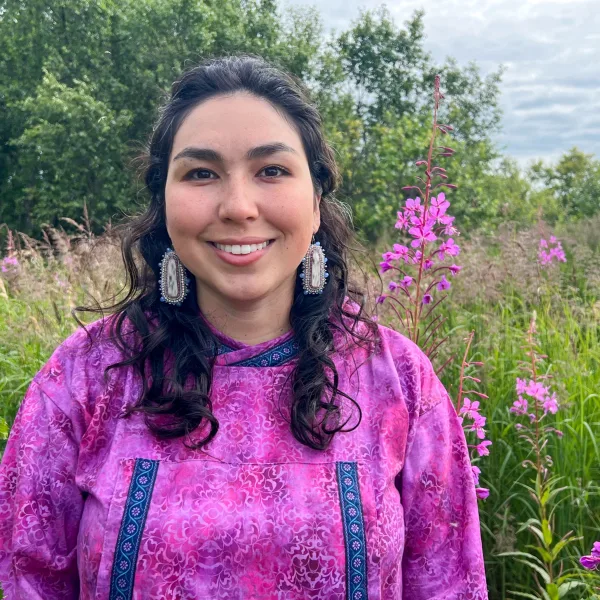
April Tangerpak Hostetter
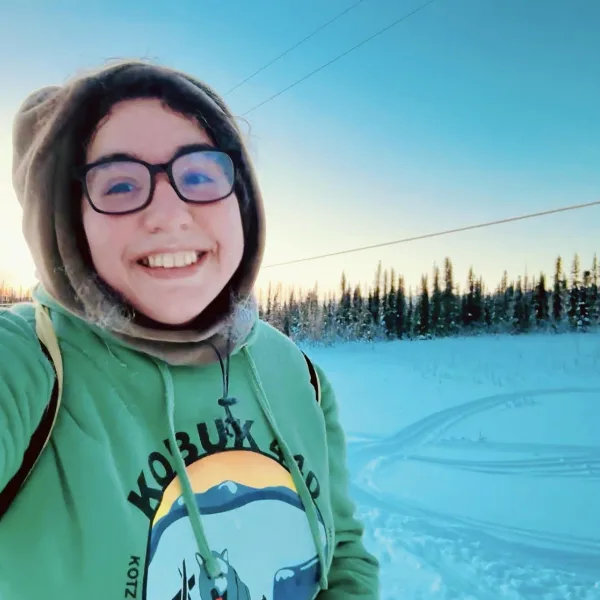
Desiree Hagan
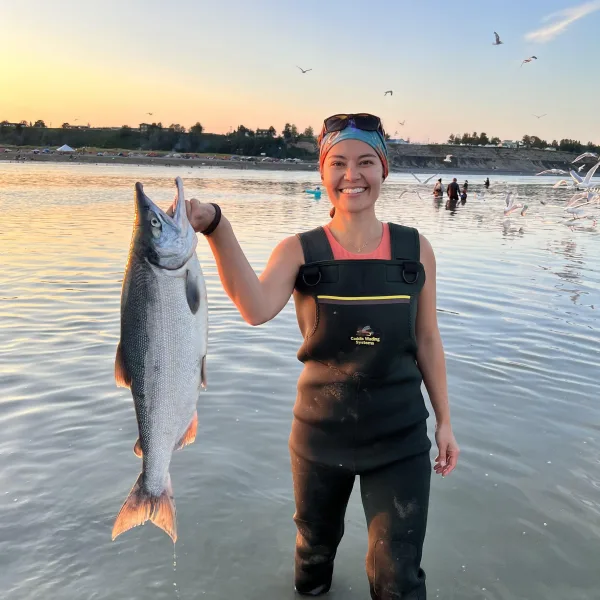
Emily Brockman
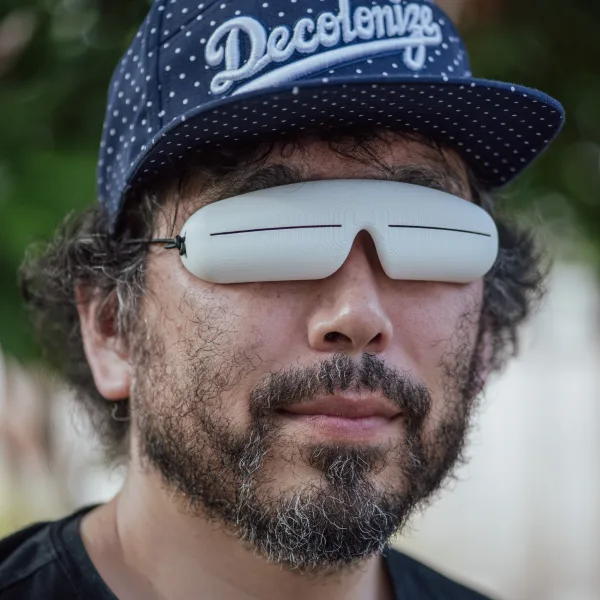
Ilegvak
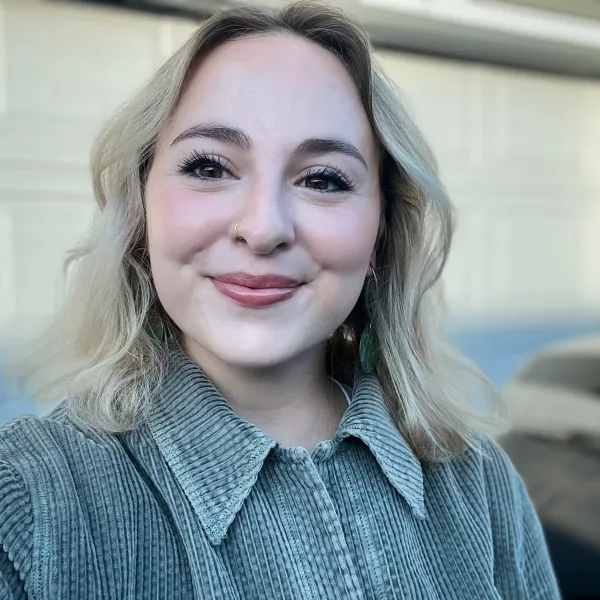
Robin McKnight
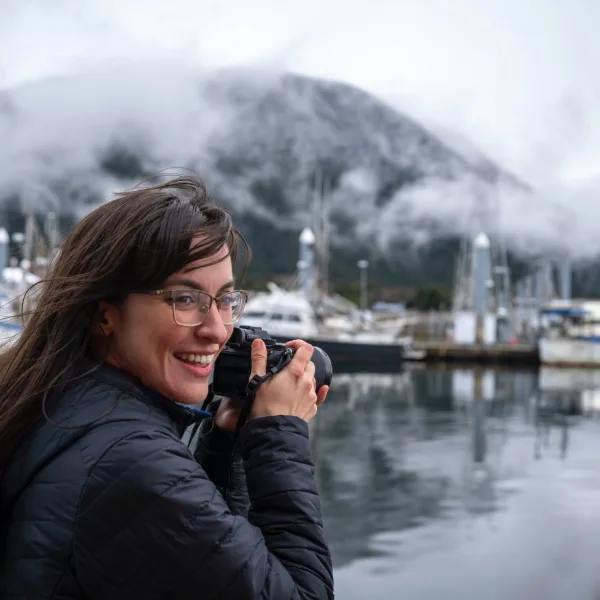
Shaelene Grace Moler
Shoshi Bieler • January 20, 2026
"The most important thing for writers right now is to get published," said Haines author Heather Lende last summer. "It gives you such confidence, and it's really discouraging to not get it.”
The Alaska Humanities Forum has published FORUM magazine, a platform for Alaska writers and photographers, since 2005. But a few years ago, we began thinking more about who gets published, and what support new and emerging writers need to break through. As Heather said, "It doesn't seem fair - it's all the same people getting published and not new people. There are other voices that should be read and more importantly I think, encouraged to keep writing."
And so in fall 2024, we launched a new program at the Alaska Humanities Forum: the FORUM Storytelling Fellowship. This is an intentional expansion of the FORUM magazine work—deepening how we support storytellers and how we bring people into relationship with one another through story.
We created the FORUM Storytelling Fellowship with several goals in mind: to expand the network of writers we partner with, to support emerging and previously unpublished writers in Alaska, and to weave elements of our other programming—especially our focus on connection and dialogue—into our work with writers.
What Is the FORUM Storytelling Fellowship?
The FORUM Storytelling Fellowship takes place over six months. Each cohort brings together six writers who produce a series of published stories while also meeting monthly for community- and skill-building. Fellows receive a stipend for participating in the program.
Through the Fellowship, writers have the opportunity to tell stories about Alaska from their own perspective and to explore issues they care about. In doing so, Fellows deepen their understanding of their communities while also bringing essential insights and voices to a broader audience of readers.
The Fellowship is also designed as a creative workforce development opportunity. We prioritize recruiting writers who are early in their publishing journeys, including those who may not have been published before. Fellows build practical skills in pitching ideas, working with an editor, and navigating the publishing process. By the end of the Fellowship, each writer has a portfolio of published work they can use to pursue future writing opportunities. Along the way, Fellows are supported in connecting with their audience through AKHF’s digital and print platforms.
Learning Together, in Community
In addition to producing written work, Fellows participate in monthly cohort gatherings that center learning, reflection, and mutual support.
These gatherings include skill-building workshops led by Alaskan guest writers, who share what they’ve learned as writers through interactive sessions. Past workshop leaders—including NaMee, Vera Starbard, Holly Guise, and Shayne Nuesca—have guided Fellows through topics like finding stories in daily life, the role of storytelling in making change, conducting interviews, and pairing visuals with written work.
Just as importantly, Fellows build relationships with one another. Fellows reflect on the writing process, sharing opportunities and challenges. Through facilitated brainstorming sessions and peer feedback, writers share ideas, works-in-progress, and questions, learning not only from guest instructors but from one another. Fellows also engage in deeper conversations about what it means to be a storyteller—for example, about knowing when it’s time to “pick up the mic” and share a story that needs to be told.
"When do we pick up the mic?" Reflections from Storytelling Fellows
Bringing Creation and Connection Together
From a design and facilitation perspective, the Fellowship is a bit different than other AKHF programs. It is both about creating content (a magazine), and about fostering the special kinds of connection and reflection that emerge when people gather around a shared purpose.
The Fellowship asks participants to spend significant time working independently on their writing. Between sessions, writers experiment with how to craft a series of stories, how to take creative risks, how to understand their own rhythms and working styles, and how to balance creative work with the many other demands of life. We have first draft and final draft deadlines that we hold each other accountable to.
At the same time, fellows are coming together once a month in a space of reflection, vulnerability, and collaboration. During the opening cohort gathering, each fellow shares a 5 minute story with the group about the role storytelling has played in their life, and how they have come to writing. Conversations during these gatherings often end up being about uncertainties, hopes, the messiness of the creative process, and the challenge of sharing important, but often hard, stories. Out of this vulnerability comes perhaps the most important and real learning of the program. As one past fellow noted, “I think at some point we just all had this realization that we were dealing with the same fears and insecurities, and that just felt really universal. And it gave me courage and made me feel like – if everyone’s dealing with this then we can all overcome it.”
For me, a fascinating — and challenging — part of facilitating this program has been finding the balance between these two goals of professional development and relationship-building. Like with any AKHF program, we spend a lot of time and energy carefully designing each experience, from the overall arc of the cohort to the agenda for each session. And, like with any program – especially a new program – there are certain things that can only be discovered in the room, with the participants. Luckily, we have had incredible fellows who are willing and eager to help shape this experience with us, offering candid feedback and thoughtful ideas to help us continue to build the program.
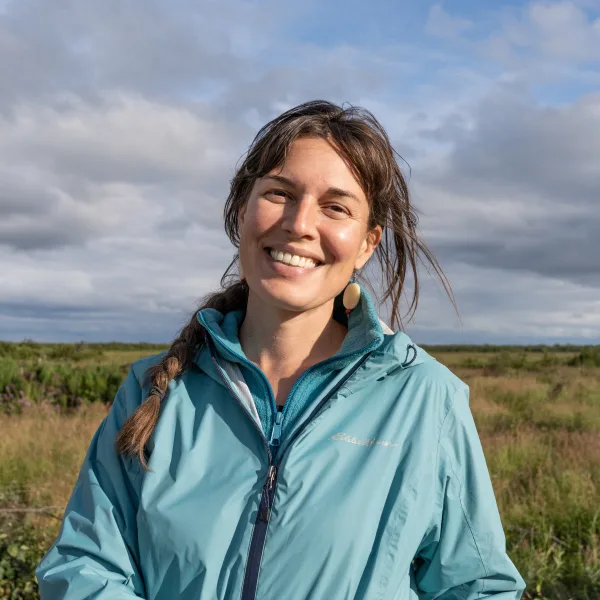
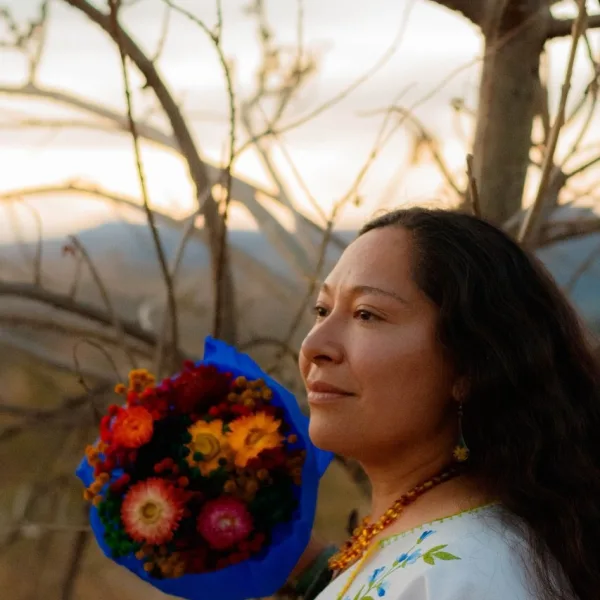
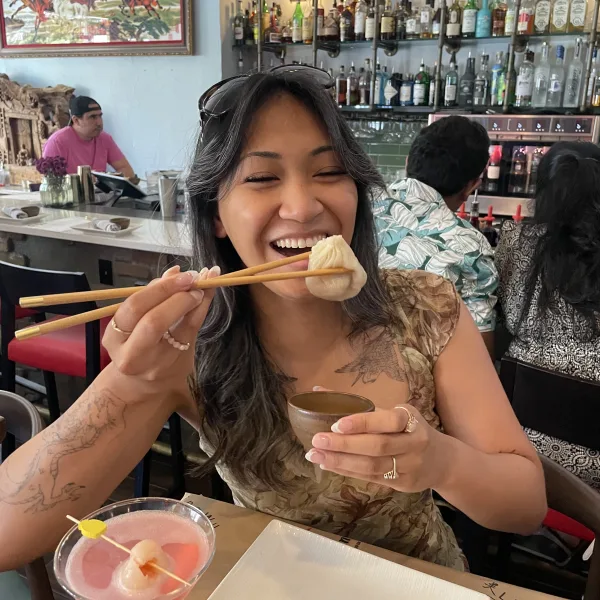
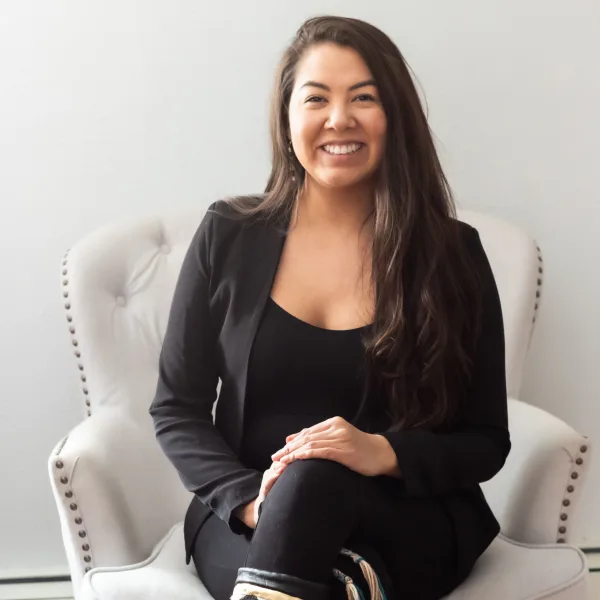
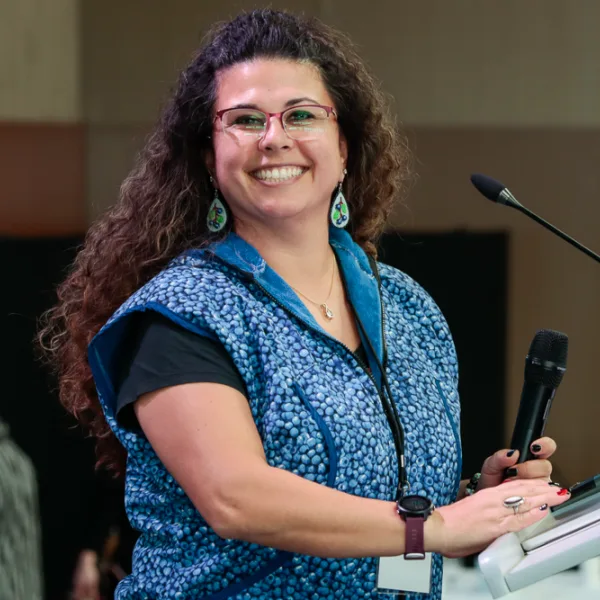
Below are just a few of the ways, so far, that we’ve homed in on that balance:
We expanded the Fellowship from four months to six months, and increased the monthly gatherings from two hours to three hours. This additional time allows us to build deeper relationships, both by extending the amount of time we spend together and also allowing us more time during monthly sessions to focus on community building before diving into the writing work. This also gives fellows more space to let their stories grow and evolve.
We dedicated more of our monthly gathering time to paired feedback sessions. During this one-on-one time, fellows read excerpts of each other’s stories, and support each other in whatever way feels most helpful that day – being a thought partner on how to tie together story threads, thinking through a specific wording challenge, or providing encouragement and motivation to finish that final paragraph. By having a partner read their story, fellows also get to experience their story through another’s eyes and perspective.
We prioritize the writer’s voice, rather than aiming for a unified magazine voice. This is central to how our incredible editor, Bree Kessler, approaches her work. Bree meets individually with fellows multiple times for each story, providing feedback and support while ensuring the writer’s style and voice are centered during publication.
We introduced a live reading to conclude each Fellowship cohort. Fellows have a chance to share their work publicly – sometimes for the first time. During the reading, Fellows share an excerpt of their work, after which listeners reflect back to them words, phrases, and lines that sparked something for them. This is a wonderful opportunity for the community to come together to support writers, and help them see the impact of their work.
We are experimenting with a buddy system, in which Fellows pair up and agree to help hold each other accountable to a writing routine and to meeting draft deadlines. Fellows discover that there are many things they have in common during the course of the Fellowship – one of those is how challenging it can be to find time for writing amidst everything else going on in their lives. The buddy system allows Fellows to recognize that shared challenge, and adds a bit of fun, humor, and community-building into the writing cycle.
As we begin 2026, I’m so excited to continue learning alongside our Fellows and to keep growing this program. If this program sounds of interest to you, we are currently accepting applications for our third Storytelling Fellows Cohort, through February 8! Apply here: https://www.akhf.org/forum-storytelling-fellowship.
The Alaska Humanities Forum is a non-profit, non-partisan organization that designs and facilitates experiences to bridge distance and difference – programming that shares and preserves the stories of people and places across our vast state, and explores what it means to be Alaskan.
September 21, 2026 • Taylor Strelevitz
August 27, 2026 • Eiden Pospisil
July 24, 2026 • Annie Garay