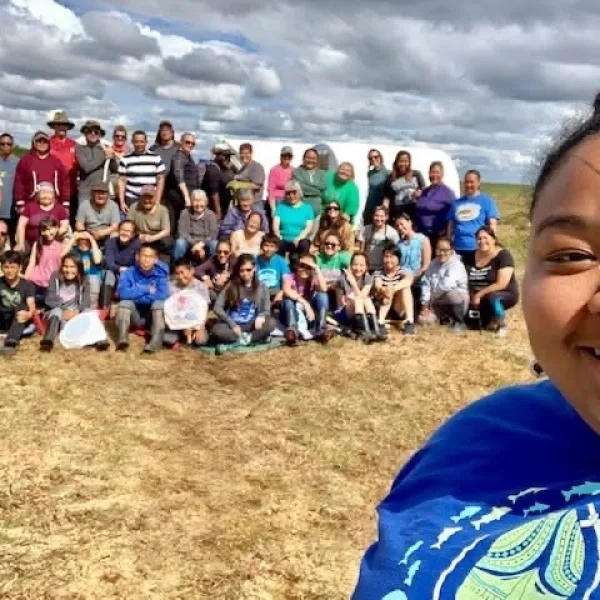
C3 2019, Eek Culture Camp
C3 2019, Eek Culture Camp
C3 2019, Eek Culture Camp
C3 2019, Eek Culture Camp
C3 2019, Eek Culture Camp
C3 2019, Eek Culture Camp
Amanda Dale • May 11, 2026
Seven years ago, Madeline Aguillard moved from Louisiana to Aniak after being hired as the new director of special education and federal programs for the Kuspuk School District. “It was kind of a random dream,” she says. “I just wanted to be in Alaska. I had taken some vacations in the Interior, driven all around, and Louisiana just wasn’t for me.” Before arriving in Aniak, she joined the Forum’s C3 program, hoping for some support adjusting to her new home.
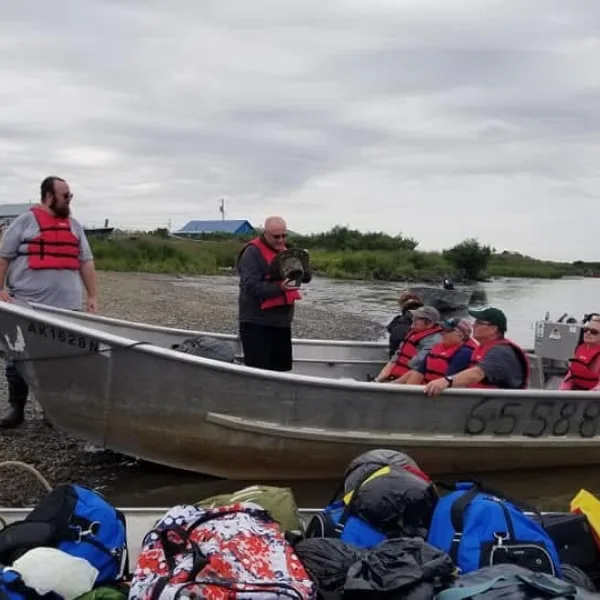
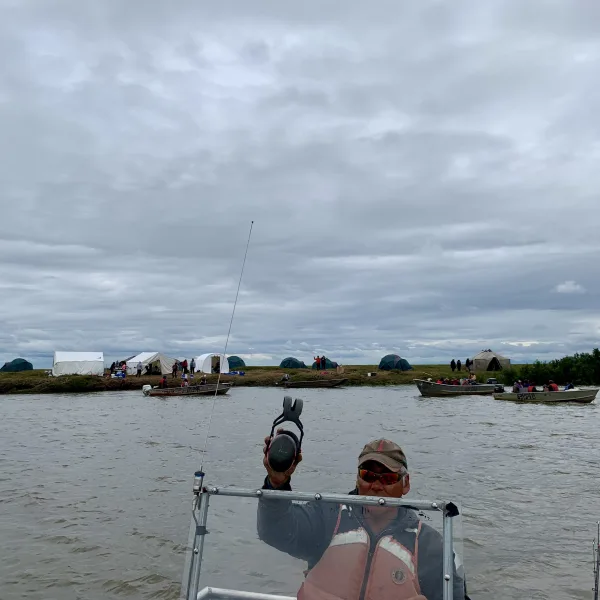
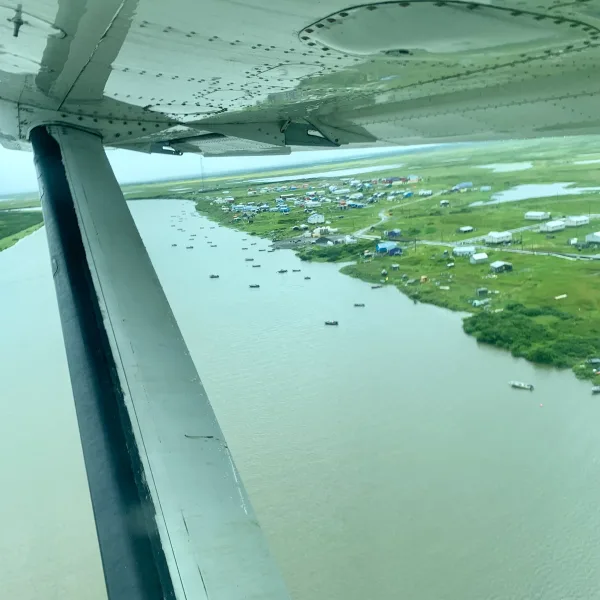
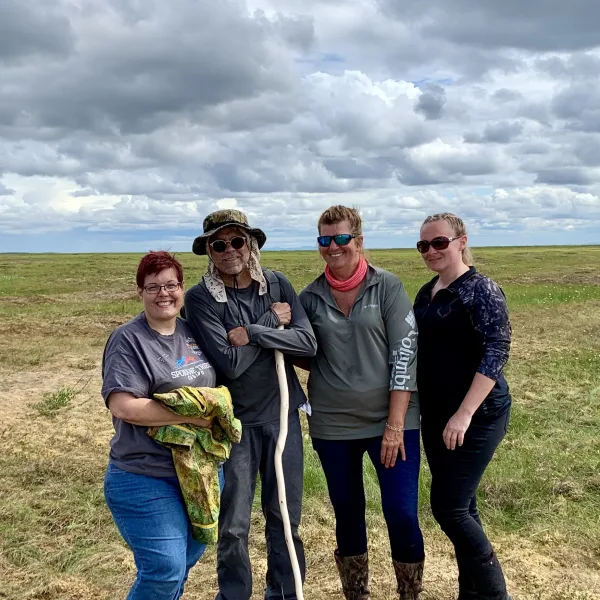
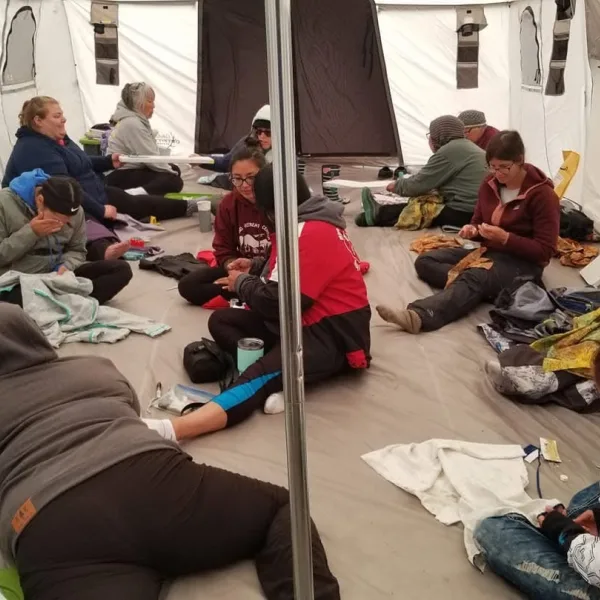
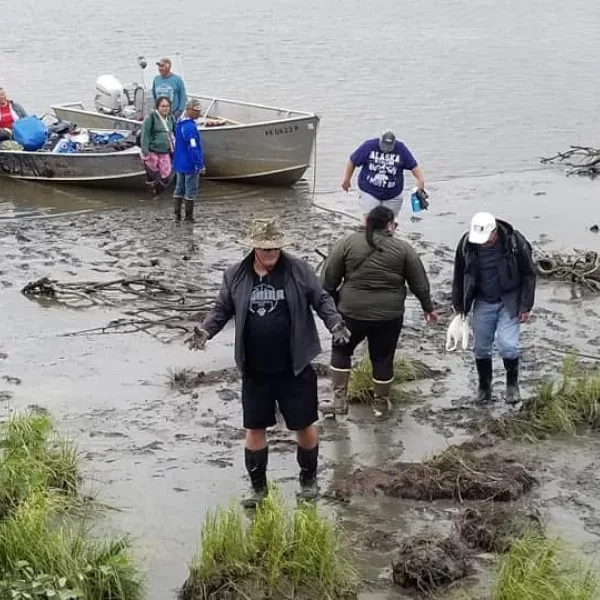
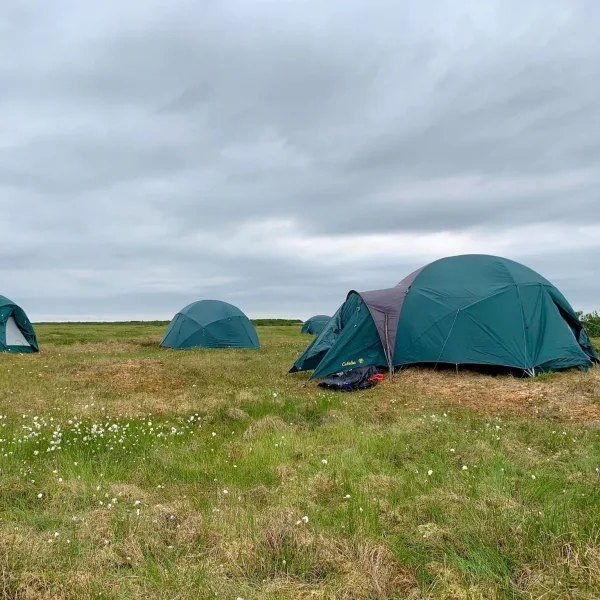
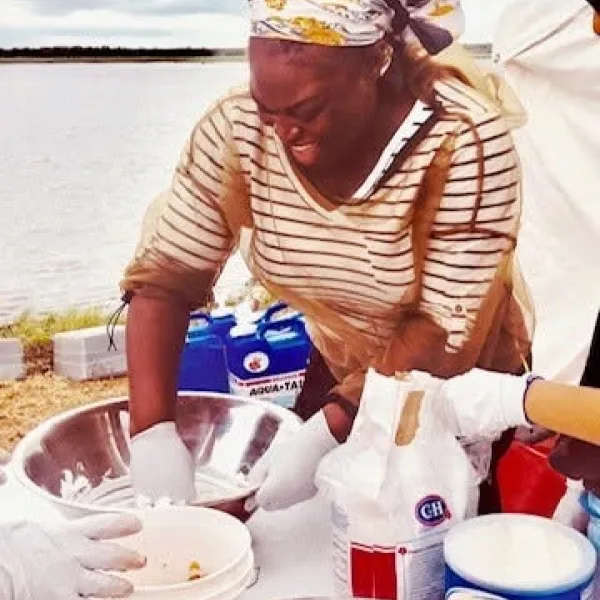
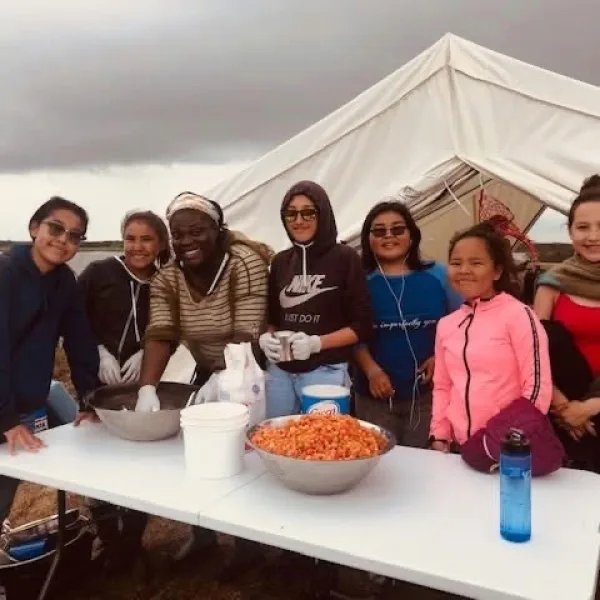
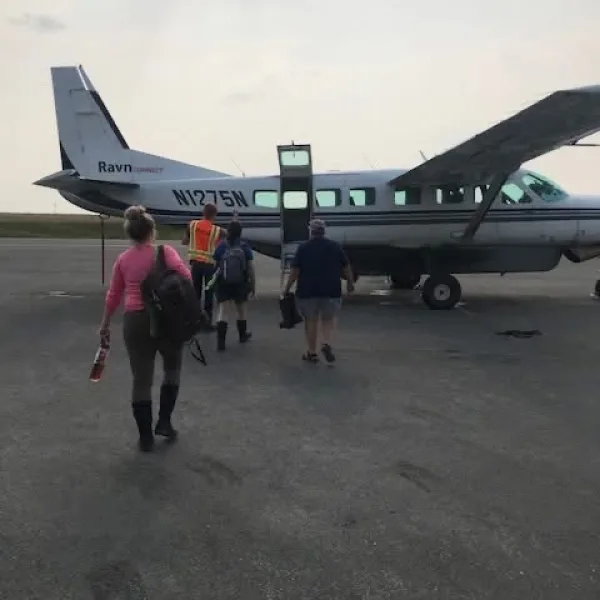
Madeline’s cohort first met in Anchorage, then did a multi-day Orientation in Bethel, and then flew to culture camp in Eek. “I didn’t realize what I was learning [during the Orientation],” she says. “At the time I was like, what in the world is happening? I didn’t have any sort of understanding or perspective of what I was walking into culturally. The area in Louisiana I was working in was very rich in Cajun culture and I’d always lived in culturally rich places. So coming in I knew something - but I didn’t quite realize the depth. I didn’t know what I didn’t know.”
C3 gave Madeline and her cohort a logistical leg up - like the knowledge that she would need to buy a four-wheeler and the importance of the phrase “weather permitting” while traveling. “That was the first time I’d heard that term!” she remembers, laughing. There were also deeper and harder lessons that came through the camp experience and conversations with C3 course instructor Dr. Panigkaq Agatha John-Shields and Piiyuuk Qungurkaq-Shields. “Understanding family dynamics has had such a big impact,” she says, remembering the qasġiq activity where participants physically represent a traditional Yup’ik community structure with the children in the middle, protected by rings of Elders, women and men.
It also planted the seeds for changes Madeline would make over time as she adapted to Aniak. “When I moved here I was used to operating under the premise that if you’re not 10 minutes early, you’re late,” she remembers. “Some of my first meetings here I thought, if you’re not 10 minutes late, you’re early! Hmmm,” she laughs. “I say that to mean: slow down. If you go fast here, you’re going to break things - whether that’s an actual physical thing, or a relationship, or a conversation, or a program you’re starting. I guarantee if you try and do any of those things fast you’re going to break it… There are some things you cannot hurry. You can’t live your life trying to keep pushing and pushing and pushing because you definitely won’t fit in. I’ve worked with some directors and teachers and that’s really bothered them a lot. Faster is not better.”
Madeline also took from her experience the skills and confidence to better recognize her own lens and assumptions. “I’ve eventually come to realize I don’t know what I don’t know; there’s no magic wand I can wave to make everything all better. And even if there was it wouldn’t be one I would be able to wave! Maybe someone else could but not me. So I have to trust that I’m going to learn what I don’t know and it will come together.”
In her time as Kuspuk superintendent, Madeline has created a Community & Tribal Liaison position at the school district; supported students earning summer school credits at a culture camp outside of Kalskag; and started an in-service in Anchorage each year for everyone who works for the school district focused on culturally responsive, trauma-engaged practices. “If you work at Kuspuk, you come,” she says. As a part of those gatherings, partners and presenters join and share their knowledge, including people Madeline first met through C3. “There are so many interwoven pieces of that experience and onboarding that I literally still use, in addition to the background knowledge.”

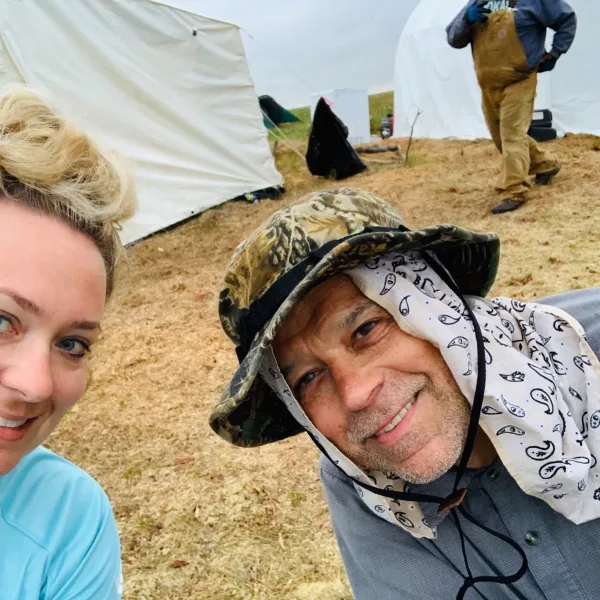
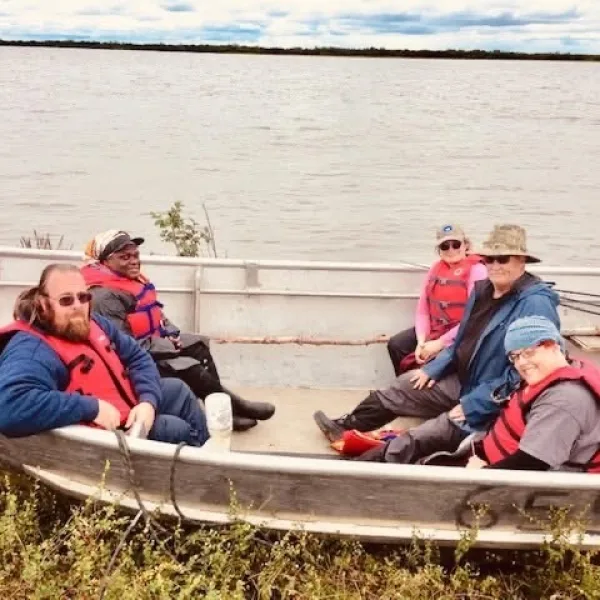
Madeline is now in her seventh year living in Aniak, and her fourth year serving as Kuspuk’s superintendent. “It’s a wonderful community,” she continues. “It’s beautiful, there are really really great people here. It’s just kind of an engaging place - the geography, the people, the opportunities.” The job also comes with challenges that go beyond education. “We don’t have a high school right now in Aniak,” she says, because the gym is collapsing. “It’s the second gym I’ve had to condemn… Those are the largest and safest buildings in their communities, and now we’re planning for breakup and flooding. What do you do if you don’t have a safe place for everyone? There are so many trickle effects for what it means to lose a school or not keep up with infrastructure.”
Despite the challenges, Madeline has found a home in Aniak. “This is about as long as I’ve lived anywhere in my life,” she reflects. “I was always thinking about, what’s coming next? What’s coming next? And there was a moment it clicked [in Aniak] - I felt like, well I don’t know what’s next. And I’m content.”
The Alaska Humanities Forum is a non-profit, non-partisan organization that designs and facilitates experiences to bridge distance and difference – programming that shares and preserves the stories of people and places across our vast state, and explores what it means to be Alaskan.
September 21, 2026 • Taylor Strelevitz
August 27, 2026 • Eiden Pospisil
July 24, 2026 • Annie Garay